
Business EV Grants Ireland: 2026 Guide to Fleet & Charging Incentives
This comprehensive guide will break down every key grant, tax incentive, and support scheme available to Irish businesses for electric vehicles and charging in 2026
Electric Vehicle (EV) Grants & Charging for Irish Businesses: Your 2026 Guide
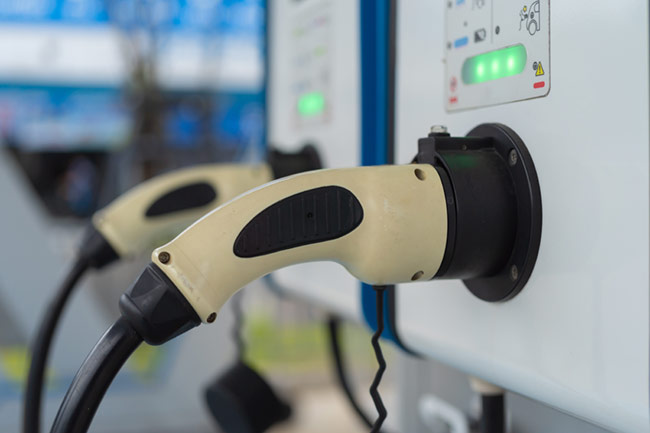
As energy costs fluctuate and Ireland moves toward a zero-emission transport goal, Business EV Grants in Ireland have become a critical tool for companies looking to reduce overheads. For 2026, the government has extended key supports, making it the most financially viable time to transition your commercial fleet to electric.
Whether you are a sole trader with one van or a large enterprise managing hundreds of vehicles, this guide covers the grants, tax breaks, and infrastructure supports available to your business today.
Commercial Vehicle Purchase Grants
The SEAI provides substantial Business EV Grants in Ireland specifically for the purchase of new, fully electric N1 category vehicles (vans). These grants are deducted directly from the purchase price by your dealer.
| Vehicle Category | Description | Max Grant Amount | Price Cap |
|---|---|---|---|
| N1S (Small Van) | Typical small goods-carrying vans (e.g., VW ID. Buzz Cargo) | €3,800 | €60,000 |
| N1L (Large Van) | Large panel vans up to 3,500kg (e.g., Ford E-Transit) | €7,600 | €90,000 |
Note: These grants apply only to new Battery Electric Vehicles (BEVs). Hybrids and used vehicles are not eligible.
Workplace EV Charging Grant (ZEVI/SEAI)
One of the most sought-after Business EV Grants in Ireland is the workplace infrastructure support. Administered by Zero Emission Vehicles Ireland (ZEVI), this scheme helps businesses provide on-site charging for staff and fleet vehicles.
- Funding Level: Covers up to 60% of eligible installation costs.
- Max Support: Up to €5,000 per charging point.
- Who Qualifies: SMEs, large companies, and even non-profits that have off-street parking for employees or commercial fleets.
The “Employee Home” Perk
Under new 2026 rules, an employer can pay for the installation of an EV charger at an employee’s home tax-free, provided the employee uses a company electric vehicle. This is a massive “hidden” grant that simplifies the switch for your team.
The 2026 “Golden Year” for EV Tax Relief
Direct grants are only half the story. The real “win” for Irish business owners lies in the tax incentives that run alongside Business EV Grants in Ireland.
Accelerated Capital Allowance (ACA)
The ACA scheme allows your business to write off 100% of the cost of the electric vehicle (up to €24,000) and the full cost of charging infrastructure (no upper limit) against your taxable profits in the first year of purchase.
New 2026 BIK Rates (Category A1)
2026 introduces the new A1 Category specifically for zero-emission vehicles.
- Stacked Relief: In 2026, you can “stack” your BIK reductions. You get a €20,000 EV-specific reduction plus a €10,000 universal reduction, meaning the first €30,000 of your EV’s value is ignored for tax purposes.
- Taxable Benefit: An employee with a €45,000 company EV in 2026 is only taxed on an OMV (Original Market Value) of €15,000. This often results in monthly tax costs of less than €80 for a premium electric car.
Why Your Business Should Avail of Energy Grants in 2026
The window for maximum support is narrowing. While Business EV Grants in Ireland remain strong for 2026, the tax reliefs are scheduled to “taper” (reduce) annually:
- 2026: €30,000 total OMV reduction (Maximum benefit).
- 2027: €20,000 total OMV reduction.
- 2028: €12,500 total OMV reduction.
By acting now, you lock in the lowest possible Benefit-in-Kind (BIK) for your employees and the highest possible capital allowances for your company.
How to Apply for Business EV Grants
- Select an Approved Vehicle: Ensure your van or car is on the SEAI/ZEVI approved list.
- Dealer Application: For vehicle grants, your dealer handles the paperwork and applies the discount at the point of sale.
- Charger Letter of Offer: For workplace charging, you must apply to SEAI and receive a “Letter of Offer” before you start any electrical work
- Registered Installers: All infrastructure must be installed by a Safe Electric Ireland registered contractor to qualify for the grant
